
Editorial
Writing
Research-backed stories and practical guidance on AI adoption, tools, costs, and the work of putting them into production.

The Future Last Week: AI Moves Into the Work, and the Bill Comes Due
GPT-6 turns answers into interactive tools, Google wants one agent across your workplace, and Anthropic makes small-model work cheaper. Meanwhile, AI science gets serious funding and the power bill becomes impossible to wave away.
Gary Stanton · October 10, 2026

How to Test Shopify Canvas Without Publishing a Broken Store
Shopify’s new Canvas lets a merchant design with Sidekick. Use an unpublished theme, test buying paths and access, then make a deliberate publication decision.
Gary Stanton · October 8, 2026

Asana Client Management vs monday CRM: Where Should Client Work Live?
Asana’s newly available client product joins relationship context to project delivery. monday CRM emphasizes the sales-to-service record. Agencies should compare the handoff and the full bill.
Gary Stanton · October 8, 2026
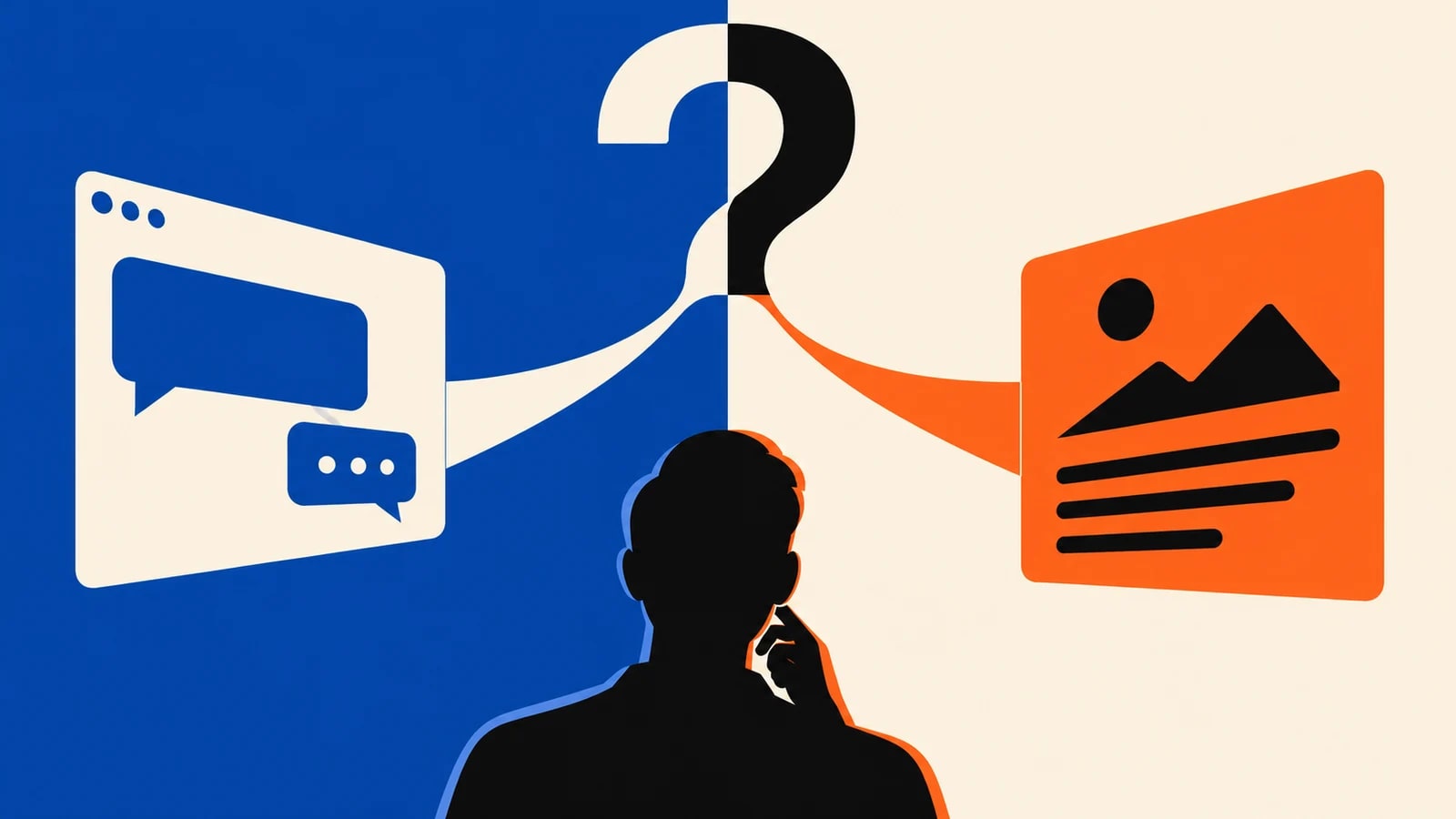
ChatGPT Intelligent UI vs Claude Artifacts: Choose the Right Kind of Interactive Answer
GPT-6 now creates interactive answers in ChatGPT. Claude Artifacts serve a different sharing job. Compare both on a real business decision before treating a generated tool as approved software.
Gary Stanton · October 8, 2026

Restaurant AI Scheduling: Test Toast IQ Team Against the Shift You Actually Need
Toast introduced a scheduling agent on October 6. Restaurant operators should judge it by coverage, overtime and manager corrections across a real week, not the speed of the first draft.
Gary Stanton · October 8, 2026
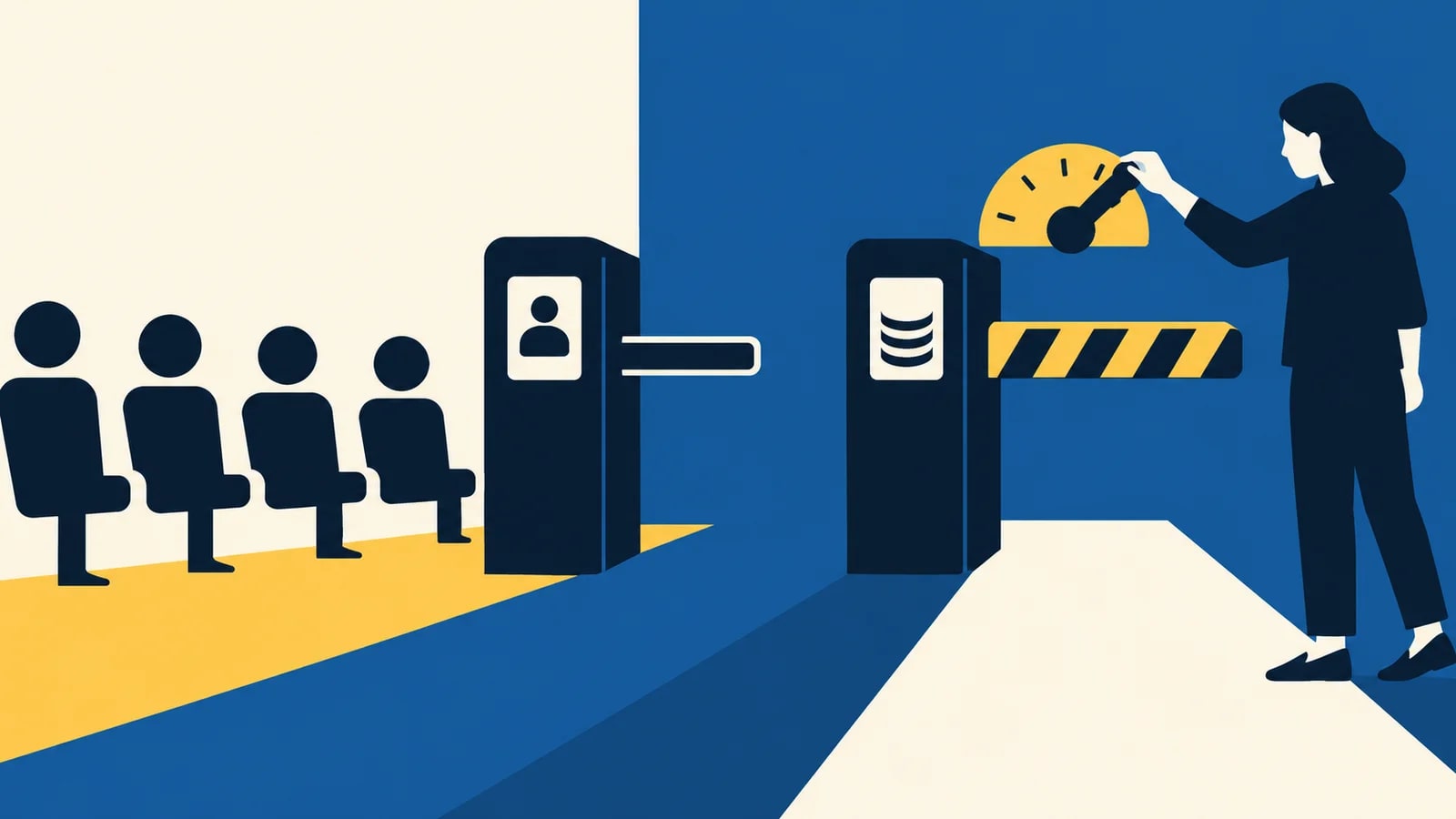
Microsoft Moved the Copilot Business Billing Default: Set the Limit Before December 1
New Copilot Business licenses bought through Microsoft resellers will default to usage billing on December 1 in supported markets. The delay gives finance and IT time to set a real spending policy.
Gary Stanton · October 7, 2026
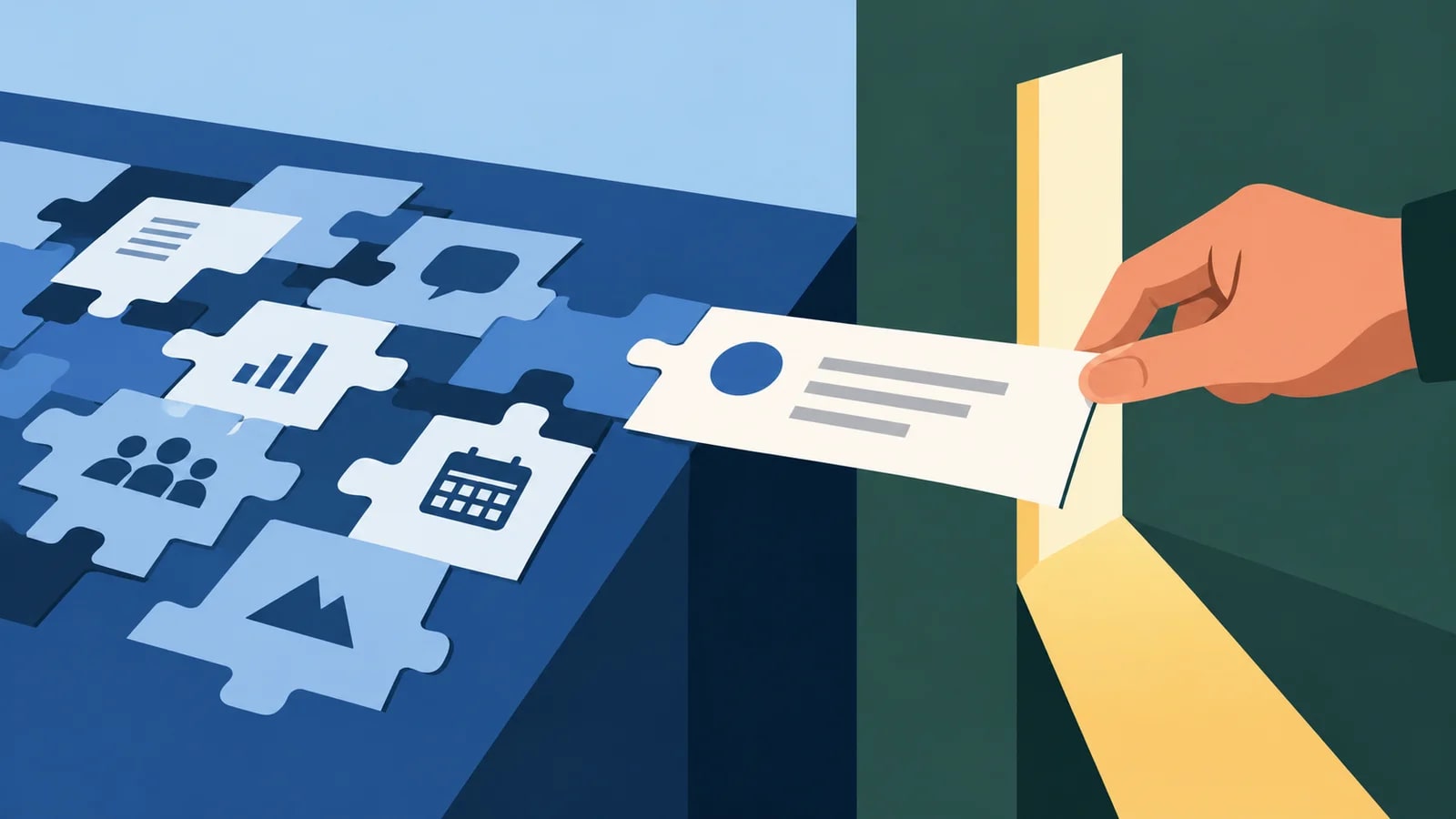
Atlassian and OpenAI: Give the Agent a Work Item, Not a Blank Check
The October 6 partnership puts stronger models closer to Jira and Confluence work. A business owner should test whether the connection finds the right decision and leaves an accountable person to act.
Gary Stanton · October 7, 2026

Anthropic’s Engineer Academy Tests a Better Idea of AI Training
Anthropic announced a $100 million plan to train 10,000 engineers. The practical exam and real-work residency are more interesting than the target number—and still need outcome evidence.
Gary Stanton · October 6, 2026

An AI Training Plan for One Business Team
Give a team one safe workflow, real practice cases, a review standard, and a manager decision after four weeks. Attendance alone is not adoption.
Gary Stanton · October 5, 2026

The Future Last Week: AI Agents Get Jobs, and the Work Gets Real
OpenAI and Meta put persistent agents closer to everyday work. Google and Anthropic changed the model choices, while Barclays and Amazon showed the people and places needed to make AI useful.
Gary Stanton · October 3, 2026

AI Adoption Statistics 2025–2026: Two Census Measures, Two Different Questions
Updated October 1, 2026: the earlier 5.4% and later 18% Census figures measure different questions. Here is what each U.S. business survey supports—and how to use the evidence in a budget decision.
Dana Whitfield · October 1, 2026

The Future Last Week: AI Gets Cheaper, Closer, and More Physical
This week brought lower-cost frontier models, AI glasses, an early scientific discovery, and a giant infrastructure contract. Here is what is real, what is still a pitch, and what a business leader should do with it.
Gary Stanton · September 26, 2026
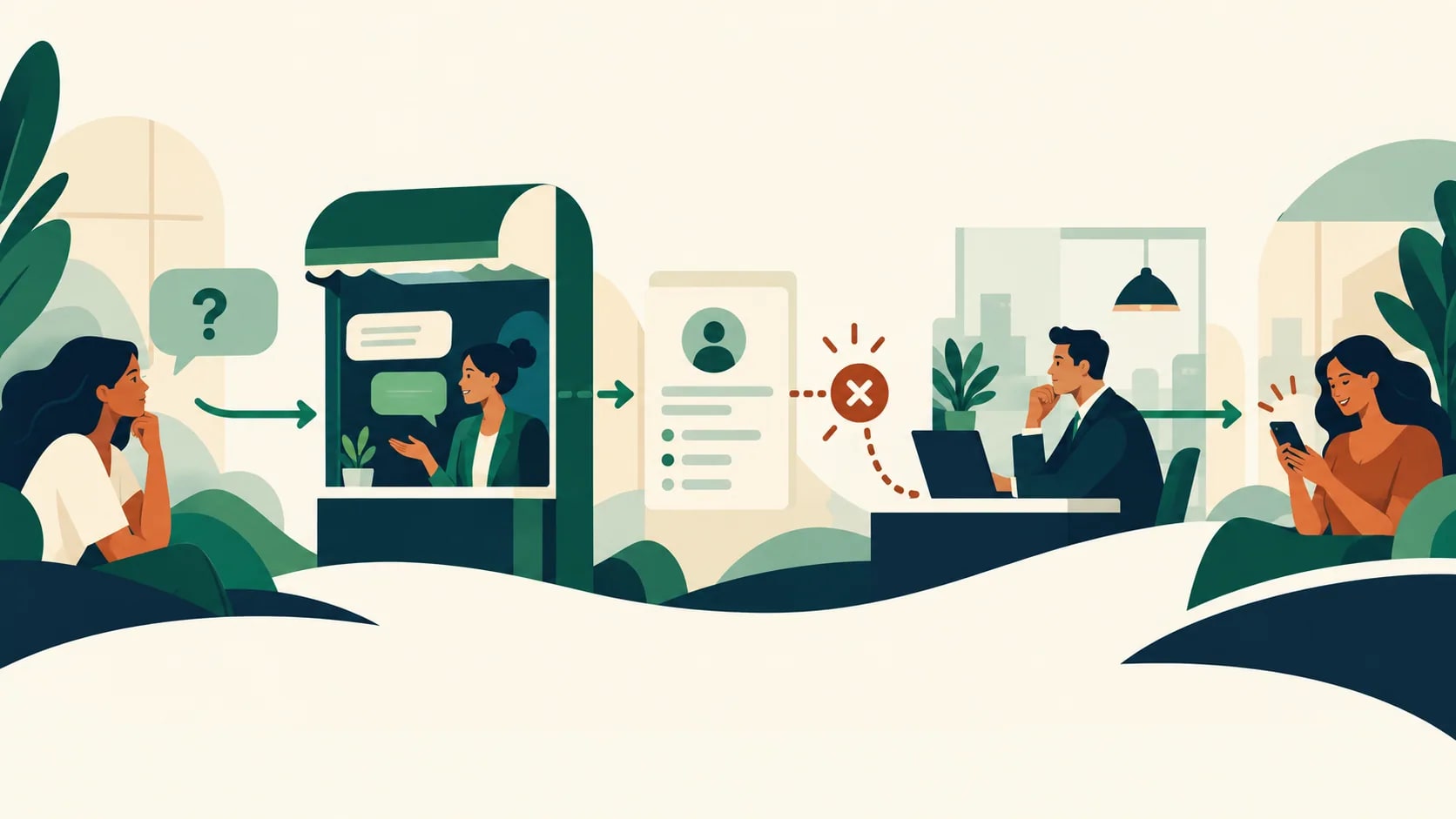
Sponsored Agents Are Coming to ChatGPT Ads. The Lead Handoff Will Decide the Return.
A sponsored conversation can answer a shopper’s question before the website visit. Buyers should measure whether it creates an accurate, consented, useful next step—not just another chat.
Dara Keating · September 24, 2026

$2 Billion for Embedded AI Evaluation Still Needs an Independence Test
Anthropic and Accenture plan major investment in evaluators working inside frontier labs. Better access can improve scrutiny, but funding, reporting rights, and publication rules determine whether “independent” means anything.
Dara Keating · September 21, 2026
Microsoft Licensed Copilot to 200,000 People. Usage Still Plateaued.
Microsoft’s newest customer-zero account is useful precisely because the rollout did not create value on its own. Here is what the selected results prove, what they do not, and the workflow test executives should borrow.
Dana Whitfield · September 21, 2026
Friar said jobs. Census said 2%.
On 15 September OpenAI CFO Sarah Friar said the company’s products limit how many people finance needs, then said the result is not fewer people but more work at the edge. Census finds reported employment decreases in 2% of AI-using firms.
Gary Stanton · September 16, 2026

Shadow AI Is Already Your Production Stack. Treat It Like One.
Your team has already solved the AI adoption problem—they've just done it without asking permission. Here's how to inventory what's running, contain what's dangerous, and convert it into legitimate competitive advantage in 30 days.
Priya Subramanian · September 15, 2026
Grok in Word is a subprocessor, not a muse
On 12 September Microsoft added Grok to Copilot in Word, Excel, and PowerPoint. SpaceXAI is on the subprocessor list. The admin switch is off by default.
Gary Stanton · September 15, 2026
Census said 5.4%. The new paper says 18%. Do not stack them.
CES-WP-24-16R put AI use at 5.4% of firms producing goods or services (Feb 2024). CES-WP-26-25 put it at 18% of firms in a business function (Nov 2025–Jan 2026). Census changed the question. Believe the survey. Do not write a fake series.
Gary Stanton · September 10, 2026
The Times case is about training, not your prompt
On 4 September, OpenAI, Microsoft, the New York Times, and a group of authors filed competing summary-judgment motions. That fight is about how the models were built, not a new rule for every prompt.
Gary Stanton · September 9, 2026
The deck says everyone. Census says 18%. The denominator is the story.
McKinsey finds nearly nine in ten survey respondents report AI use somewhere in their organizations. Census finds 18% of U.S. firms use AI in a business function. Both can be honest. They are not counting the same population.
Gary Stanton · September 5, 2026

Five AI Patterns Your Teams Are Already Running — Here's What Changes Monday
Your finance team just built an AI agent without telling you. This isn't a pilot anymore — it's how work happens now. Here are the five operational patterns reshaping production, and what you actually need to do.
Dana Whitfield · March 17, 2026

How AI Is Collapsing Sales Cycles: What's Actually Happening in 2026
A mid-market SaaS company closes deals 3–4 calls earlier using AI conversation analysis. This isn't productivity theater. It's a structural shift in how sales organizations work. Here's what's changing, and what you need to do about it.
Jules Marchetti · November 15, 2025