
ZoomMate vs Fathom: Do You Need Meeting Notes or Follow-Through?
Both products can help after a meeting. ZoomMate reaches into broader workflows; Fathom concentrates on calls, summaries and sales records. Test the accepted follow-up, not transcript volume.
Published October 8, 2026
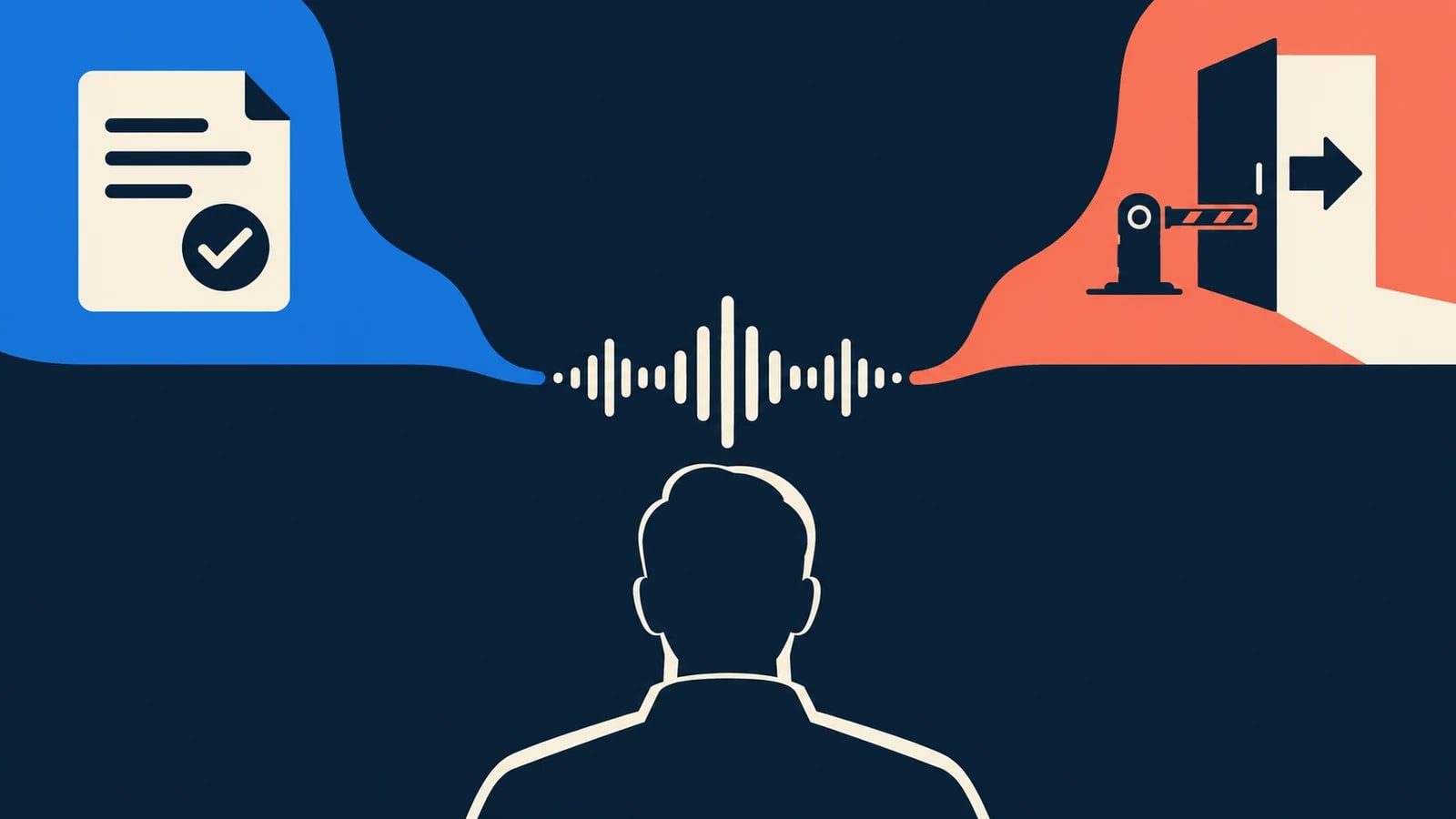
A meeting ends with three promises: send the proposal, update the customer record, and book a follow-up. A transcript captures the conversation, but the business benefit arrives only when the right actions happen. ZoomMate and Fathom both speak to this gap. Zoom introduced ZoomMate in June 2026 as a separate product for work beyond meeting summaries. The useful comparison is how far each product should be allowed to go after the call.
ZoomMate reaches further into the workday
Zoom describes ZoomMate as an add-on AI workspace that can prepare agendas, take notes, find context, draft deliverables, and run workflows across connected applications. Its workflow page says meeting content can trigger tasks, reports, and updates with approval steps. Core Zoom meeting summaries remain included in eligible paid Workplace plans, according to Zoom's product explanation. A buyer should distinguish that existing benefit from a ZoomMate add-on and its credit allowance before paying for another seat.
Fathom is closer to the call record
Fathom's Salesforce help describes writing summaries and action items to the customer relationship management system, or CRM, and notes a manual “Sync to CRM” option before data is written. Its HubSpot guide also describes creating tasks from action items and syncing edited summaries. These are provider-described features, and plan, integration, and admin settings affect what a team can do. Fathom is a stronger shortlist item when the main pain is a reliable sales-call record rather than work across many apps.
Consider a constructed sales-call test: the buyer says a discount might be possible if procurement approves it. If ZoomMate drafts a follow-up and updates the opportunity as though the discount is agreed, the team must correct both the message and the record before anyone relies on them. If Fathom captures the tentative statement accurately but the owner forgets to review and sync the note, the customer record stays stale. The first failure is over-action; the second is unfinished follow-through. Neither tool should infer a firm customer promise from an ambiguous sentence.
Pricing belongs in this comparison. Zoom's plan page lists a limited Basic tier and a paid ZoomMate tier with a monthly AI-credit allowance; the cost of extra work depends on plan and use. Zoom says core meeting summaries remain part of eligible paid Workplace plans, so an existing customer should first test what is already included. Fathom's Team feature guide describes enhanced summaries and follow-up drafting; ask for the current team quote and which CRM sync and retention features it includes. Avoid a fake price-per-meeting calculation without the exact quote, credit consumption, and meeting volume.
Compare accepted actions from the same calls
- Choose a few consented or sanitized meetings. Before using either product, the meeting owner marks the actual decisions, owners, deadlines, and promises.
- Time the existing follow-up from meeting end to a checked customer message and current sales record. Repeat with each product; record reviewer minutes, omissions, incorrect commitments, and minutes spent reversing any bad update. Include the quoted license and expected usage cost.
- Keep sending and record changes behind human approval during the trial. Stop if a tool posts a wrong commitment, attributes it to the wrong person, or exposes a restricted meeting to another account.
If your present notes are accurate and someone reliably completes the follow-up, an extra product may only add review work. If the gap is specific to sales records, try Fathom first. If it spans meetings, documents, tasks, and approved actions in a Zoom-heavy company, try ZoomMate. After the trial, keep the least costly option that improves checked follow-through, remove duplicate seats, and document who may approve a send or record change. The agent approval matrix gives that owner a practical boundary.
Weekly Newsletter
AI Adoption Weekly
New research, field guides, training studies, and tool decisions for operators.
No spam. Unsubscribe anytime.
Related Comparisons
Calculator
AI seat cost calculator
List price × headcount. You enter the hours and the operating assumptions.